How to Involve Oneself in Doing Root Canal Therapy: Common Mistakes and Smarter Alternatives
If you’re facing a root‑canal appointment, you’ll want to make sure you’re not just a passive patient. Involving yourself in the process can mean the difference between a smooth recovery and lingering discomfort. Here’s a quick rundown of typical blunders, plus smarter ways to stay in control.
What Is Root‑Canal Therapy, and Why Should You Care?
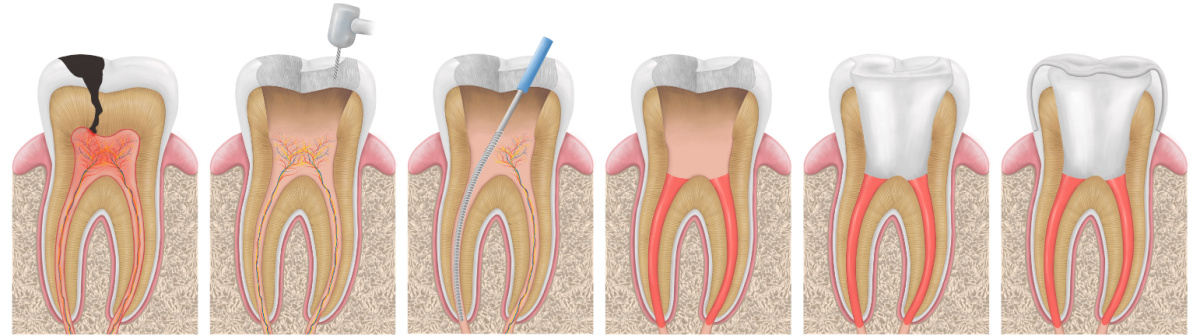
Root‑canal therapy is an endodontic procedure that cleans, shapes, and seals a tooth’s inner chamber after decay or infection has spread beyond the enamel. It’s the dental equivalent of a surgical cleanup, aiming to save a tooth that might otherwise be extracted.
- Diagnosis – A dentist or endodontist identifies the infected pulp with a series of X‑rays and a gentle probe.
- Cleaning – Instruments remove bacteria‑laden tissue while preserving healthy tooth structure.
- Sealing – The cleaned canal is filled with a biocompatible material, and the tooth is restored with a crown or filling.
Involvement starts with a clear conversation about why you need the procedure and what to expect afterward.
Did You Skip the First Step? Common Mistakes When Scheduling
Many patients book a root‑canal appointment only after pain has escalated. That’s a mistake. Early intervention often means a shorter, less complex procedure.
- Ignoring Mild Symptoms – A dull ache or sensitivity to hot drinks can signal the early stages of pulpitis. Catching it early saves time and money.
- Choosing the First Available Slot – Opt for a dentist with a proven track record in endodontics rather than the first open appointment. Look for local St. Louis practices that specialize in root‑canal treatment.
- Not Requesting a Comprehensive Exam – Ask for a full dental workup, including panoramic X‑rays, to identify hidden complications like a fractured tooth or abscess.
Are You Over‑Trusting the Dentist? Smarter Alternatives to Traditional Root‑Canal
While root‑canal therapy is the gold standard, there are newer techniques that can reduce pain and speed recovery.
- Laser‑Assisted Root‑Canal Therapy – A laser can sterilize the canal more precisely, potentially cutting procedure time and decreasing post‑op swelling.
- Microscopic Endodontics – Using an operating microscope increases visibility of fine details, ensuring no bacteria slip through.
- Regenerative Endodontics – For younger patients, stem‑cell‑based therapies may allow the tooth to heal naturally, though it’s still experimental.
Ask your dentist which of these options might suit your case. The right choice often depends on the tooth’s age, the severity of infection, and your overall dental health.
Do You Know What to Expect After the Procedure?
Post‑operative care is critical for a smooth recovery. Here’s how to stay in control and prevent complications:
- Follow the Pain‑Management Plan – Take prescribed analgesics exactly as directed; avoid over‑dose, but do not skip doses if pain returns.
- Maintain Oral Hygiene – Use a soft‑bristle toothbrush and fluoride toothpaste, and floss daily to keep bacteria at bay.
- Monitor for Infection Signs – Persistent swelling, fever, or an odd taste may signal an infection that requires urgent attention.
- Schedule a Follow‑up – A check‑up within a week ensures the filling is secure and the tooth is healing correctly.
Can You Involve Oneself in Doing the Whole Process? A Practical Checklist
Here’s a quick action plan to keep you actively engaged:
- Ask the dentist to explain every step, even if it’s routine.
- Take notes or record a short video during the consultation.
- Request a written treatment plan with timelines and expected costs.
- Discuss alternative therapies if you’re concerned about pain or duration.
- Keep a symptom diary after the procedure and bring it to your follow‑up.
When you take ownership, you’re less likely to feel surprised by complications or cost overruns.
How Does This Impact Your Dental Journey in St. Louis?
In a city like St. Louis, where dental technology is rapidly evolving, you have access to cutting‑edge root‑canal techniques. By involving yourself in the decision‑making process, you can choose a provider that aligns with your comfort preferences and budget.
In summary, don’t let root‑canal therapy become a passive experience. Early diagnosis, informed choices, and proactive aftercare are the smart alternatives that keep your smile—and your peace of mind—intact.