Greg Norman Golf Logo: Design Insights and Branding Applications
The Greg Norman Golf logo has become a recognizable symbol in the sporting goods industry, blending timeless design principles with the practical demands of athletic branding. While the golf world often focuses on club performance and course strategies, the role of a strong visual identity in product selection and marketing remains understated. This article examines the logo’s design structure, its adaptability across merchandise, and key factors for evaluating its use in retail and licensing scenarios.
From Concept to Merchandise: The Logo’s Functional Design
The signature Greg Norman Golf logo balances simplicity and boldness, ensuring legibility on both oversized apparel and compact accessories. Its minimalist typography, paired with a forward-facing arrow motif, conveys motion and precision—qualities central to the sport. This design avoids intricate details that could degrade in smaller formats, making it suitable for screen printing on polos, embroidery on hats, and vinyl appliqué on footwear. For retailers, this adaptability reduces production complexity, while maintaining brand consistency across inventory lines.
Use Cases: Where the Logo Adds Value
On-course visibility is a primary use case: the logo’s placement on golf attire leverages its high-contrast outline to stand out against green turf and blue skies. In apparel, it often appears on the chest, sleeve, or back collar—zones ideal for peer recognition. Off-course, the design adapts to lifestyle wear, with subdued color variants (like white or black) aligning with casual fashion trends. For golf equipment, the logo is typically limited to golf bags and tees, avoiding clutter on clubs where aerodynamics and grip texture are paramount. Licensing extensions into accessories—such as golf balls and rangefinders—also benefit from the logo’s immediate recognizability.
Evaluating Authenticity and Quality
With the golf market saturated by replicas, understanding selection criteria is vital. Authentic Greg Norman Golf merchandise features sharp, even stitches around the logo in woven labels, and the fabric retains color vibrancy after washing. For digital assets, verified sources provide high-resolution files with embedded metadata, distinguishing them from counterfeit design templates. When sourcing, prioritize suppliers with direct licensing, as lower-tier vendors may use misaligned proportions or faded imprints that dilute brand credibility. Always request swatches for physical products—discoloration, uneven ink saturation, or distorted vector scaling are red flags in subpar reproductions.
Implications for Brand Partnerships and Marketing
For marketers, the Greg Norman logo’s versatility supports cross-platform campaigns, from social media ads requiring small icons to stadium signage needing large-scale durability. However, its design’s success hinges on strategic placement: overusing the emblem on a product risks visual fatigue, while strategic minimalism maintains premium aesthetics. When leveraging the logo in promotional contexts (e.g., golf tournaments or apparel collaborations), pairing it with complementary brand colors—deep navy or earth tones—enhances visual hierarchy compared to clashing neon backdrops.
Conclusion: Balancing Aesthetics and Practicality
The Greg Norman Golf logo exemplifies how athletic branding can serve dual purposes: reinforcing identity and supporting operational efficiency. Its success lies in a design that prioritizes clarity for both manufacturers and consumers. When evaluating its use, focus on tangible applications—does the logo’s placement aid in product visibility? Are production costs justified by the design’s durability? By aligning these criteria with market needs, businesses ensure the logo remains an asset rather than an afterthought. For those managing inventory or launching co-branded ventures, these considerations provide a framework for maximizing the emblem’s potential in a competitive landscape.
Испаритель кожухотрубный типа КТГ - Чертежи, 3D Модели, Проекты
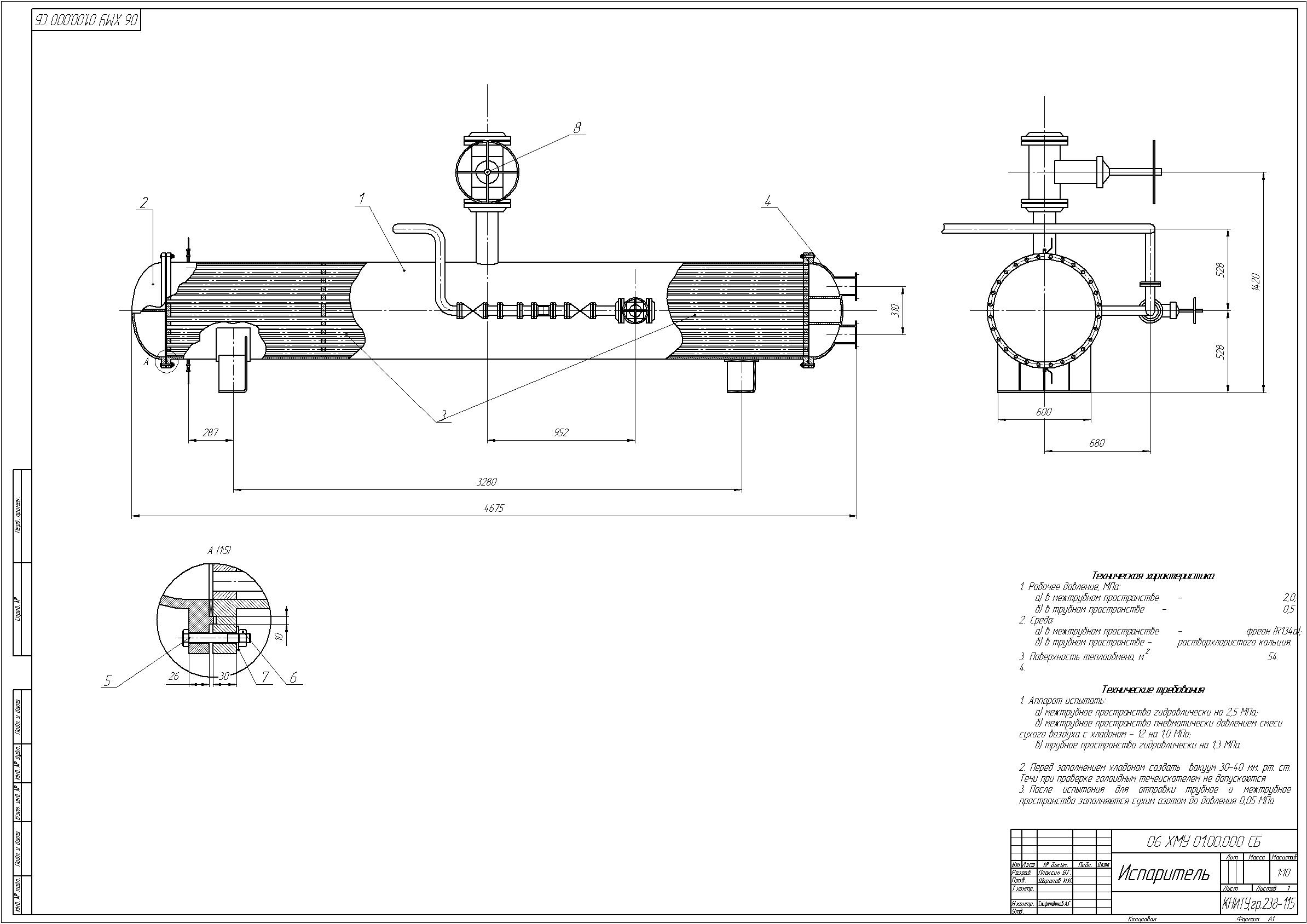
Испаритель кожухотрубный типа КТГ - Чертежи, 3D Модели, Проекты ...