Does Christine Sinclair Have a Partner? A Quick Look at Turkey's Flag
When fans ask, “Does Christine Sinclair have a partner?” the answer remains unconfirmed. In the absence of clear information, we turn to a well‑documented national symbol that invites similar curiosity: the flag of Turkey. Below is an analytical overview that highlights common misconceptions about the flag’s design, the meaning behind its elements, and how to use the symbol correctly.
What Is the History of the Turkish Flag?
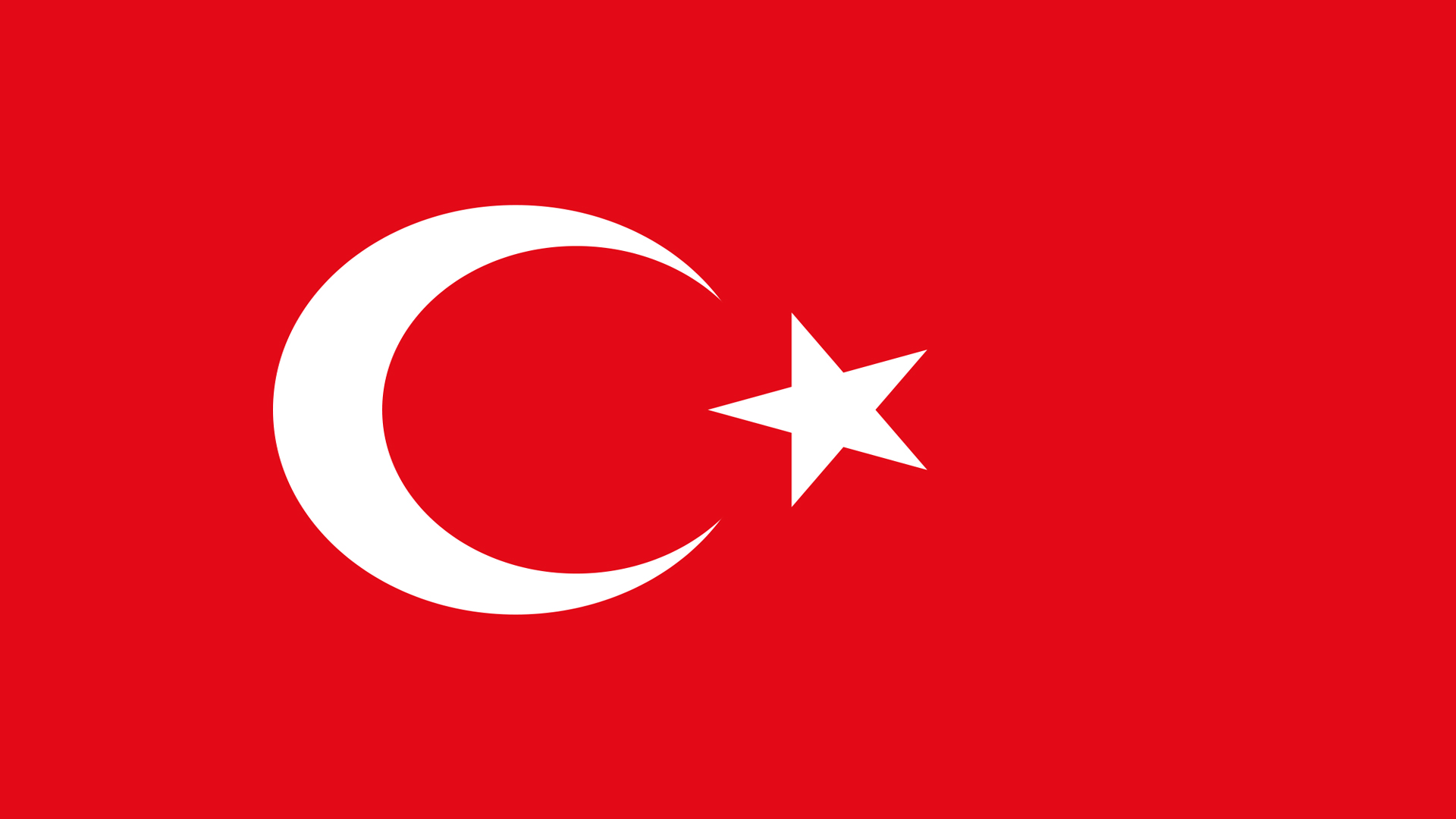
Turkey’s flag dates to 1839, a time of political upheaval when the Ottoman Empire was modernizing. The first official flag was a plain red field, later adopted by the Republic of Turkey in 1928. The red background, a historic color of the Ottoman military, symbolizes sacrifice and valor.
Why a Star and Crescent?
The white star (five points) and crescent have roots in early Islamic symbolism. In the Turkish context, they have come to represent modernity, progress, and unity. Their placement—crescent to the left, star to the right—creates a balanced, visually striking motif that is easily recognizable worldwide.
Common Mistakes in Using the Turkish Flag
Even seasoned hobbyists sometimes misinterpret or misuse flag elements. The following bullet list outlines typical errors:
- Color Mixing: Using a lighter or darker shade of red can change the flag’s legal status in certain contexts.
- Altered Proportions: Deviating from the 2:3 ratio (height:width) distorts the emblem’s balance.
- Incorrect Placement: Positioning the crescent or star on the wrong side of the hoist can lead to confusion or offense.
- Adding Text: Incorporating logos, slogans, or other graphics violates flag etiquette.
Smarter Alternatives: How to Use the Flag Ethically
For hobbyists looking to display or incorporate the Turkish flag, consider these best practices:
- Adhere to Official Specifications: The Ministry of Culture and Tourism stipulates exact dimensions and color codes. Follow them to maintain authenticity.
- Choose Quality Materials: Use durable, weather‑resistant fabrics for outdoor displays, or high‑resolution prints for digital media.
- Respect Context: When displaying the flag alongside other national symbols, keep the order and spacing consistent with international standards.
- Educate Your Audience: Include a brief caption explaining the flag’s history, especially if you’re sharing images online.
Implications for Cultural Appreciation
Understanding the Turkish flag’s symbolism allows hobbyists to appreciate its significance beyond aesthetic appeal. The red field’s association with sacrifice underscores Turkey’s turbulent past, while the star and crescent project an image of hope and progress. Misrepresentation can unintentionally convey disrespect, whereas accurate usage fosters cross‑cultural respect.
Key Takeaways
While the personal life of Christine Sinclair remains private, the flag of Turkey provides a clear example of how symbols carry deep meaning. Avoid common mistakes by following official guidelines, choose respectful contexts for display, and always provide context when sharing images. These practices not only honor the flag but also demonstrate a thoughtful, informed approach to cultural symbols.